Hashimoto’s
Thyroiditis
Hashimoto’s
thyroiditis is an autoimmune disorder that eventually leads to a poorly
functioning thyroid gland. Hashimoto’s
can affect people of all ages and genders, but most commonly occurs in
middle-aged women. It is the most common
hypothyroid disorder, and therefore it is important to recognize the signs and
symptoms early to get ahead of more damaging symptoms.
Autoimmune
disorders are a collection of conditions in which the immune system
mistakenly attacks healthy body tissue.
This can lead to a variety of different conditions in different parts of
the body, including eczema, psoriatic arthritis, lupus, and others. Hashimoto’s is an autoimmune condition that
affects the thyroid gland.
The thyroid is a
crucial component of the endocrine system, the system responsible for producing
hormones that coordinate the execution of bodily functions. Thyroid hormones affect how the body utilizes
energy, and therefore can affect every organ.
In the case of Hashimoto’s thyroiditis, the thyroid gland
becomes enflamed, and eventually is unable to make enough thyroid
hormones. If inadequate amounts of
thyroid hormones are present, then many bodily functions happen at a slower
rate, and this has negative effects on our health overall.
Hashimoto’s can be difficult to diagnose because initially
you may not have any symptoms at all. Some
of those symptoms include:
- Tiredness, fatigue, and sluggishness
- Loss of lateral 3rd of the eyebrow
- Unexplained weight gain
- Joint and muscle pain
- Constipation
- Increased sensitivity to cold
- Dry and thinning hair
- Brittle nails
- Puffy face
- Goiter
- Enlarged tongue
- Decreased libido
- Fluid retention
- Lowered heart rate
- Memory problems
- High cholesterol
- Heart disease
- Brain problems
- Depression
- Heavy or irregular periods/ trouble becoming pregnant
The causes
of Hashimoto’s (and autoimmune disorders in general) are not completely
understood. However, based
on the available evidence, multiple factors may play a role, including poor
nutrition, infections, poor lifestyle choices (regarding sleep, exercise, and
stress levels), infections, and an overabundance of toxins all play roles.
Get Tested!
If you think
you may have Hashimoto’s thyroiditis, it is especially important to get the proper testing so
you can come up with a viable treatment plan.
If you want to get a full picture of your thyroid health overall, it is
important to complete a full thyroid panel, including TSH, free T4, free T3,
thyroid antibody, and reverse T3 levels.
If TSH
levels are high, it could mean your thyroid gland is not functioning properly,
and this is usually due to hypothyroidism. On the other hand, if TSH levels are low, your
thyroid could be overactive, and you could be dealing with too many thyroid
hormones. Low TSH levels could also mean
there is a problem with your pituitary gland.
Generally, if TSH levels are normal, it means the thyroid gland is
functioning properly.
In the case
of Free T4, elevated levels tend to be consistent with hyperthyroidism, and low
in hypothyroidism.
Free T3 is
the active form of thyroid hormone, also known as triiodothyronine. Reverse T3
binds to free T3 receptors when it wants to slow metabolic processes down. When you need more energy the body converts T4
into free T3 to boost the speed of important metabolic processes. If this conversion processed is hindered, it
can lead to hypothyroidism.
Additionally, high levels of reverse T3 can lead to hypothyroid
symptoms.
Finally, it
is crucial to test for the two main classes of thyroid antibodies: thyroid
peroxidase antibodies (TPOAb) and thyroglobulin antibodies (TgAb). TPOAb targets enzymes that are responsible
for creating thyroid hormones. TGAb
attacks thyroglobulin, which the body needs to produce thyroid hormones. When it comes to Hashimoto’s thyroiditis,
TPOAb, TGAb, or both are typically elevated.
There are
other tests that can be helpful in determining thyroid function as well. For example, low magnesium levels are
associated with poor thyroid function.
Homocysteine and/or C-Reactive Protein (CRP-hs) are elevated when
inflammatory processes are taking place, including autoimmune conditions. Additionally, low vitamin D3 levels are
commonly found in those with hypothyroidism.
Dealing with Hashimoto’s
First and
foremost, address what you eat is key, and considering an autoimmune diet is
key. In a nutshell, an autoimmune diet
consists of eliminating all food allergens and
inflammatory foods (like fried foods, processed carbohydrates and grains,
conventionally-raised meats, vegetables, oils, and fast foods), while
increasing anti-inflammatory foods. Some
foods to focus on include organic vegetables and fruits, grass-fed,
pasture-raised animal products, avocados (and oil), berries, green tea,
non-starchy vegetables, turmeric, apple cider vinegar, ginger, garlic, onions,
bone broth, vegetable broth, fermented vegetables, coconut oil and other
coconut products, healing herbs, and olive oil.
Mindful Eating
When it
comes to food, the gut plays a crucial a role in all autoimmune disorders,
including Hashimoto’s thyroiditis. If
your gut is in bad shape, and there is a microbiome imbalance, it can lead to
an inflammatory response, triggering the immune system. In fact, those with autoimmune conditions
tend to have more food sensitivities than those who do not. The most common food sensitivities include gluten,
dairy, sugar, soy, and corn, to name a few.
Additionally, food additives and preservatives can have negative effects
as well. Avoiding these foods can lessen
the inflammatory response, and decrease the symptoms when eliminated.
In order to
achieve optimal thyroid health, and health overall, it is important consume
enough nutrient dense foods. There are
certain micronutrients that play key role in the inflammation process, and
insufficient amounts of them can promote chronic inflammation. Again, this can have far-reaching
consequences, affecting everything from hormone balance, to immune system
function, to properly managing stress.
Deficiencies in antioxidants (like zinc, selenium, and vitamins A, C,
and E), vitamin D, omega-3 fatty acids, magnesium, and certain B vitamins most
common.
In fact,
leaky gut plays a role in all autoimmune conditions. Leaky gut can occur when the gap junctions
that connect the intestinal cells to each other widen, which allows larger
particles to slip through and enter the bloodstream. These include undigested food particles and
toxins that would not be able to pass under normal conditions. Once in the bloodstream, the immune system
creates antibodies to attack these foreign invaders, triggering an immune
response. This is how the body tries to
fend off chronic inflammation.
Addressing Toxin Overload
We live in a
world where it is virtually impossible to avoid toxins completely. They can be found in the food we eat, air we
breathe, skin care products, shampoos, conditioners, makeup, lotions, and even
our water. Heavy metals, plastics,
molds, and glyphosates can all add drops to our “stress bucket,” and once that
bucket is full, disorders can manifest in different ways. A toxic overload is one of the major reasons
autoimmune disorders can develop in the first place.
Infections
can play a role as well. Epstein Barr
virus, H. pylori, and Blastocystis hominis infections can trigger autoimmune
reactions. These all can increase the
toxic burden on the body.
Address Stress
Poor sleep
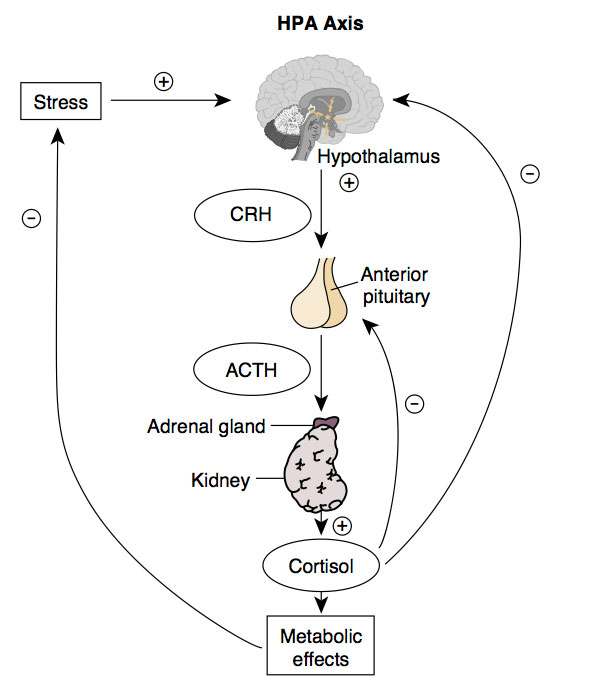
and high-stress levels have been linked to thyroid dysfunction. Increases in cortisol, the main stress
hormone, can interfere with thyroid hormone production, leading to altered
thyroid health. If you are not getting
enough sleep, you are depriving your body of crucial time it needs to repair
itself for the next day. Diminished cell
health can lead to poor cell function not only in the thyroid, but other parts
of the body as well.
Addressing
stress levels is crucial as well.
Emotional
stress is key. In fact, a 2014 study
found that “pro-inflammatory cytokines, can in turn elicit profound changes in
behavior, which include the initiation of depressive symptoms such as sad mood,
anhedonia, fatigue, psychomotor retardation, and social-behavioral withdrawal.”
Stress can
trigger autoimmune reactions and alter immune system function negatively. Therefore, if you want to address chronic
inflammation, you need to be at peace with yourself as well. You can find that inner peace a number of
different ways. Here are just a few
things you can do at home:
Practice meditation. Try to recall
times you felt loved and appreciated.
Reflect on them. Recall how you
felt when you were loved and appreciated at that time. Look back on this at least once a week, and
cherish the times you were happy with others.
Reflecting will help you appreciate all the great people and moments you
have had in your life.
Relax and let go. Life is hectic nowadays, and there’s not much
you can do to avoid all the commotion.
Even when you might think you are relaxed, other things might be on your
mind. Things like work, family, friends,
and other commitments tend to creep back in.
Do yourself a favor and allow yourself some time to really unplug. Ditch the cellphone, computer, and TV
completely for a bit. Even if it just
for five minutes a day, make sure you spend it completely free of distractions.
Spend time outside. Whether it is going for a walk, meeting up
with friends, playing sports, exercising, or taking a break from work, just get
outside. Also, spending time out in the
sun for fifteen minutes a day with exposed arms and legs in warm weather
environments will help you get vitamin D, which is crucial to your health.
Try stretching in the morning and at night. Staying limber and loose will allow you to
maintain proper range of motion in your joints and muscles. It also is a great way to wind down and relax
before bed.
Reduce your usage of social media. While it may not seem like it, social media
is more likely stressing you out than calming you down. Stress levels go up when you are on social
media for a few reasons.
First off is
the blue light exposure, which is more of an issue when scrolling through
social media or favorite news outlets at night.
Secondly, you may get into arguments, fights, or read upsetting posts
without another means to process your information. It is fine to go on your social media once or
twice per day. Use this time instead
to actually spend time your friends and family in real life. This is a great way to reduce stress levels,
as you will gain a sense of security and connectedness with people in the real
world.
Proper Supplementation
There are
certain micronutrients that play key role in the inflammation process, and
insufficient amounts of them can promote chronic inflammation. Again, this can have far-reaching
consequences, affecting everything from hormone balance, to immune system
function, to properly managing stress.
Deficiencies in antioxidants (like zinc, selenium, and vitamins A, C,
and E), vitamin D, omega-3 fatty acids, magnesium, and certain B vitamins most
common.
Antioxidant
vitamins and minerals include vitamins A (and carotenoids), C, and E, as well
as selenium, manganese, zinc, glutathione, and phytochemicals like lutein,
quercetin, and lycopene. These
antioxidants might be found in many of the foods you are already eating. The best sources of antioxidants are found in
plant-based foods. Foods high in
antioxidants include: apples, blueberries, broccoli, spinach, lentils, and big
leafy greens, just to name a few. Other
anti-inflammatory compounds like curcumin (found in turmeric), can combat
chronic inflammation.
We know
vitamin D supports immune function because deficiencies lead to increased rates
of the flu and colds. It also regulates
inflammation, decreases the rates autoimmune diseases and cancer, and promotes
cellular maturation. There is a large
(and growing amount of evidence) showing vitamin D deficiency is incredibly
common, affecting at least 50% of adults and up to 80% of all infants. The optimal range is between 50-80ng/mL
(125-200nmol/L). Most practitioners
agree somewhere between 1,200 IU and 2,000 IU is the optimal range to increase
vitamin D levels to normal levels long-term.
Doses up to 2,000 IU have been researched to be safe for long-term use.
Many
Americans consume too many omega-6 fatty acids, which can result in a relative
omega-3 deficiency. Omega-6s can be
found in many vegetables oils and meats.
Consuming high amount of Omega-6 fatty acids (and not enough omega-3
fatty acids) is associated with an increased risk of over 60 different
conditions, included heart disease, high blood pressure, cancer, stoke,
diabetes, autoimmune diseases, skin diseases, and other chronic illnesses. An imbalanced omega-3:6 ratios can lead to
increased inflammation, altered immune function, increased insulin resistance,
and increases susceptibility to cellular damage via free radicals. When this ratio is corrected (and the correct
ratio ranges from 1:1, which is ideal, to about 1:3), the opposite effects
occur.
With proper
testing, you can identify and effectively manage Hashimoto’s. It is possible to even put the disease into
remission, as we discuss on our podcast episode with here.
Disclaimer
Though based in
research, personal, and clinical experience, the opinions in this article
should not be taken as medical advice. The information is designed for
educational purposes only and is not designed to diagnose, treat, or cure
disease. Botanical medicine and
nutraceuticals should be treated with the same caution and care as
pharmaceuticals, as both have the potential for strong, potentially adverse
effects and allergic reactions. Please consult a trained, licensed health care
practitioner before proceeding.